Published July 24, 2024 10:30 am est
by Richard F. Cason, 
Editor in Chief,
NewsMovesmarketsforex®
Key Issues-
- ECB holds deposit facility rate stead at 2% on July 24, 2025
- Lagarde, emphasized that the economic environment remains “exceptionally uncertain,” particularly due to the looming threat of a 30% tariff on EU imports
- Euro experienced slight fluctuations, and fall against the US dollar trading at around $1.75
- ECB also left the Marginal Lending Facility rate the same at 2.40%
- Analysts predict that the tariffs could lower real GDP growth in the U.S. by 0.9 percentage points in 2025, which could have a ripple effect on European economies
ECB Holds Deposit Facility Rate Steady at 2% Amid Looming U.S, Tariffs Implication
The European Central Bank (ECB) made a significant decision this morning, July 24, 2025, by keeping interest rates unchanged at 2.15% and the deposit facility rate steady at 2%.
This decision comes amid rising tensions due to proposed U.S. tariffs that could have profound implications for the European economy.
Here’s a breakdown of how this decision has impacted the euro and the potential fallout from the U.S. tariffs.
The ECB’s decision to maintain interest rates was widely anticipated, as the central bank is closely monitoring the economic landscape, which is characterized by sluggish growth and potential tariff increases from the U.S.
The ECB’s decision to maintain interest rates was widely anticipated, as the central bank is closely monitoring the economic landscape, which is characterized by sluggish growth and potential tariff increases from the U.S. The ECB’s President, Christine
Lagarde, emphasized that the economic environment remains “exceptionally uncertain,” particularly due to the looming threat of a 30% tariff on EU imports proposed by President Donald Trump, which could take effect on August 1 if no trade agreement is reached.
Impact on the Euro
Following the ECB’s announcement, the euro experienced slight fluctuations, and fall against the US dollar when news broke; however currently trading about 0.1% higher against the U.S. dollar at $1.175.
Despite this dip, the euro has appreciated significantly since the beginning of the year, when it was around $1.026. The stronger euro could lead to cheaper imports, potentially easing inflationary pressures in the eurozone.
However, this appreciation also raises concerns about deflation, as cheaper imports could reduce domestic price levels, complicating the ECB’s efforts to maintain inflation around its 2% target.
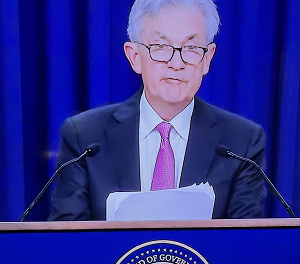
Live Video coverage of European Central Bank President Christine Lagarde press conference, Announcing the interest rates will remain at 2.15% and Deposit facility rate steady at 2% on July 24, 2025
,
President Trump has threatened to impose tariffs of up to 30% on EU imports starting August 1, 2025 if Trade Agreement not Met
The ECB’s decision to maintain interest rates was expected, as the central bank is navigating a complex economic landscape marked by uncertainty.
President Trump has threatened to impose tariffs of up to 30% on EU imports starting August 1 if a trade agreement is not reached.
This looming threat has raised concerns among European policymakers about the potential impact on trade and economic growth5.
The proposed U.S. tariffs could have several significant implications for the European economy:
If the tariffs are enacted, European goods exported to the U.S. could face steep tariffs, making them less competitive in the American market. This could lead to a decline in exports, which are crucial for many EU economies.
The European Union has prepared a retaliatory package that includes imposing 30% tariffs on over $100 billion worth of U.S. goods if the U.S. follows through with its tariff threats.
This tit-for-tat could escalate trade tensions and further disrupt economic stability in both regions.
The tariffs could dampen economic growth in the EU. Analysts predict that the tariffs could lower real GDP growth in the U.S. by 0.9 percentage points in 2025, which could have a ripple effect on European economies that rely on trade with the U.S.
ECB is in a “wait and watch” mode, an at the ready to respond to developments in trade negotiations with the U.S. and the broader economic landscape
Financial markets are currently anticipating that the ECB will hold rates steady at its next meeting in September, with potential cuts later in the year if economic conditions worsen due to tariffs or other external pressures.
The ECB is in a “wait and watch” mode, ready to respond to any developments in trade negotiations with the U.S. and the broader economic landscape.
The Central Banks decision to keep interest rates unchanged reflects a cautious approach in a challenging economic environment.
The potential impact of U.S. tariffs adds another layer of complexity, with significant implications for the euro and the overall European economy.

News Moves Markets Forex “real time digital currency news”, works to provide market intelligence, connecting our audience with a mix of the most latest insightful currency news in the Foreign exchange markets. Providing the Latest and the greatest in depth developing global central bank stories and financial news to traders and investors around the continent.