
Published August 15, 2025 11:59 am est
by Richard F. Cason, 
Editor in Chief,
NewsMovesmarketsforex®
Key Issues-
- U.S. Senate unanimously passing the Historic Greenwood District Black Wall Street National Monument Establishment Act
- Bill was co-sponsored by Senator James Lankford (R-OK) and Senator Cory Booker (D-NJ) in the United States Senate
- New era of investment in Black dollars, fostering economic growth and empowerment
- Black Wall Street Monument bill marks a pivotal moment for Black America
- Commission to Study and Develop Reparation Proposals for African Americans Act (H.R. 40)
Black Wall Street National Monument Establishment Act on May 22, 2025
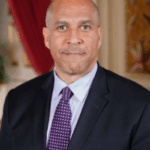
The U. S. Senate has made a historic move by unanimously passing the Historic Greenwood District—Black Wall Street National Monument Establishment Act on May 22, 2025. This legislation aims to honor the legacy of the Greenwood District in Tulsa, Oklahoma, the site of the devastating 1921 Tulsa Race Massacre. The bill was co-sponsored by Senator James Lankford (R-OK) and Senator Cory Booker (D-NJ) , marking a significant recognition of the resilience and contributions of the Black community in America.
Unanimous consent in the U.S. Senate
The bill received unanimous consent in the Senate, reflecting a rare moment of bipartisan agreement on an issue of historical significance. It now moves to the House of Representatives for further consideration.
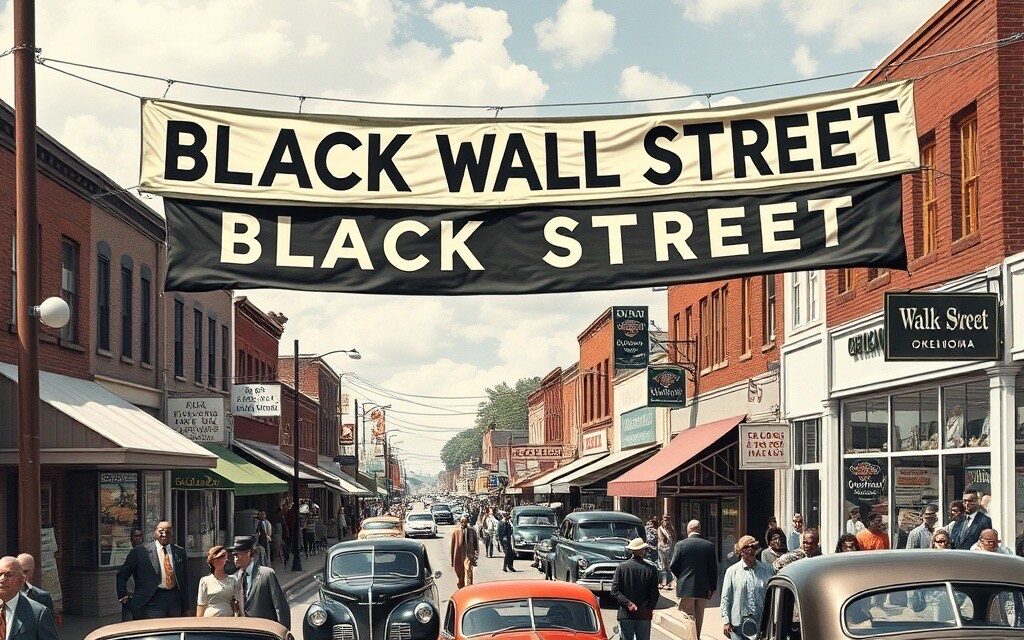
The monument will serve as a reminder of one of the darkest chapters in American history while celebrating the vibrant culture and economic power of Black Wall Street before its destruction.
Senator Lankford emphasized the importance of remembering this history, stating, “It’s a scar on our nation’s history. . . But it’s an area that we remember for a reason because we know how far we’ve come”
New Era of investment in Black dollars
While many in the Greenwood community are excited about the monument, there are concerns regarding government control over local businesses and how history will be taught.
Some local business owners fear that federal oversight could limit their autonomy and impact the cultural integrity of the area.
The monument’s designation is expected to attract tourism and funding, which could lead to revitalization efforts in Greenwood and similar communities nationwide.
This could pave the way for a new era of investment in Black dollars, fostering economic growth and empowerment within these communities.
Black Wall Street Monument bill marks a pivotal moment
The passage of the Black Wall Street Monument bill marks a pivotal moment for Black America.
This a step forward in the right direction as it not only honors a painful past but also lays the groundwork for a future where Black communities can thrive economically and culturally.
As the bill heads to the House, the hope is that it will continue to receive the support it needs to become law, ensuring that the legacy of Black Wall Street is preserved for generations to come.
Commission to Study and Develop Reparation Proposals for African Americans Act (H.R. 40)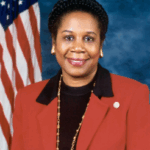
Additionally, the late great Congresswoman Sheila Jackson Lee (D-TX) introduced a reparations bill in the House, on January 2023, which aimed at addressing the systemic discriminatory historical injustices faced by Black Americans.
This bill seeks to establish a commission to study and develop proposals for reparations, further emphasizing the need for acknowledgment and investment in Black communities.
Advocate for Reparations: Jackson Lee was a staunch supporter of reparations for Black Americans, introducing the Commission to Study and Develop Reparation Proposals for African Americans Act (H. R. 40).
This bill aims to establish a commission to explore the historical injustices of slavery and propose reparative measures. Her advocacy for this bill reflects her dedication to addressing the long-lasting impacts of slavery and systemic racism in America.
Fast forwarding to the current date the bill is still expected to be considered by the committee before moving on to the House or the Senate in the coming future.
The reparations bill has made some progress in terms of co-sponsorship and public discourse, it still faces significant hurdles in the legislative process. The urgency for action remains high, as advocates continue to push for recognition and reparative justice for the Black American community
“Connecting People to the markets through the power of information from a BLACK perspective’.